
 A patient heron teaches a restless boy that some things in life cannot be rushed, no matter how badly we want them to be.
The Cuckoo's Borrowed Nest
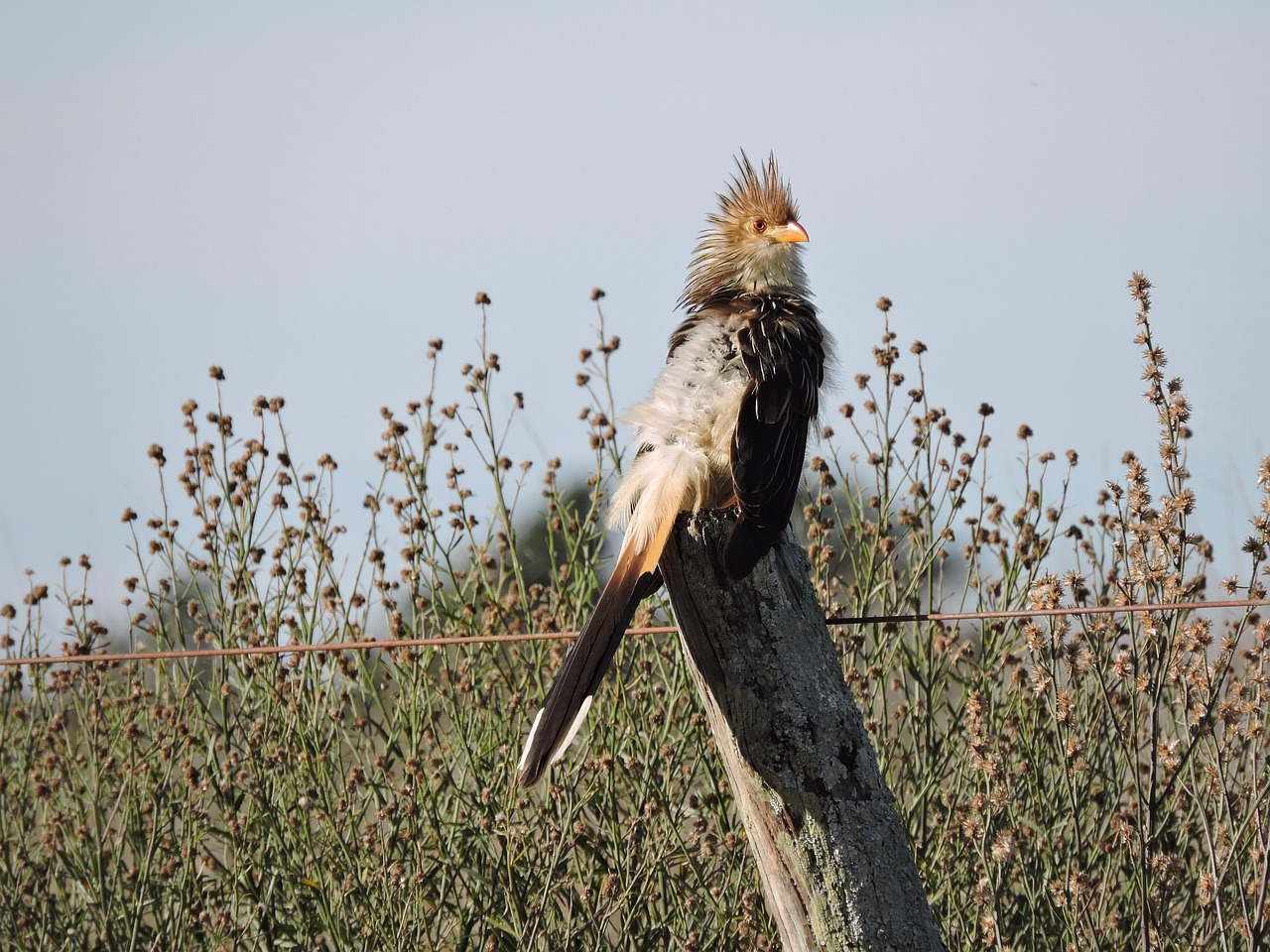
In the village of Ashwell, there were as many stories about the cuckoo as there were grandmothers, and each one contradicted the last. Some said the cuckoo was a liar, a cheat, a bird that laid its eggs in other birds' nests and flew away without a backward glance. Others said it was a messenger, a bringer of spring, a voice that arrived just when the world needed waking. And a few — the oldest women, the ones who remembered things no one else did — said the cuckoo was neither. They said it was a mirror, and what you saw in it depended entirely on what you brought to it.
Lila was nine years old, and she did not know what to believe. Her grandmother told her the cuckoo was a thief. Her neighbour, Mrs. Pellow, told her the cuckoo was a blessing. Her teacher, who was from the city and did not believe in folklore, told her the cuckoo was simply a bird with an unusual reproductive strategy, and there was nothing more to say about it.
"Which one is true?" Lila asked her grandmother one evening, as the first cuckoo of spring called from the woods beyond the orchard.
Her grandmother thought for a long time. "All of them," she said at last. "And none of them. That's the trouble with birds. They don't fit into the stories we tell about them."
The Egg in the Wrong Nest
The cuckoo's habit of laying its eggs in the nests of other birds has fascinated people for centuries. A reed warbler or a meadow pipit will raise a chick that is not its own, often at the expense of its own young, and the cuckoo will fly south for the winter without ever meeting its offspring. It is, by any human standard, a strange and somewhat cruel arrangement. And yet the birds who raise the cuckoo chick do so with the same devotion they would give their own — feeding it, sheltering it, defending it against predators. They do not know the difference. Or perhaps they do, and they choose to love anyway.
The old stories about the cuckoo often focus on this paradox. In some tellings, the cuckoo is a punishment — a bird cursed to never know its own children. In others, it is a teacher, showing us that family is not always a matter of blood. And in a few, it is a trickster, laughing at the rest of us for thinking we understand how the world works.
Lila liked the trickster version best. She liked the idea that the cuckoo was not good or bad but simply itself, doing what cuckoos do, and letting the rest of us argue about what it meant.
The Stories We Choose
That spring, Lila spent hours in the orchard, listening for the cuckoo's call. It was a simple sound — two notes, the same two notes, over and over — and yet it seemed to contain multitudes. Sometimes it sounded lonely. Sometimes it sounded triumphant. Sometimes it sounded like nothing at all, just a bird being a bird in a world that insisted on making it mean something.
She never saw the cuckoo. She never found its egg in another bird's nest. But she did find a reed warbler feeding a chick that was twice its size, and she watched for a long time as the tiny bird worked tirelessly to fill a mouth that would never stop asking. The warbler did not look confused or betrayed. It looked, as far as Lila could tell, entirely at peace.
When she told her grandmother about it, her grandmother nodded slowly. "So which story is true?" she asked.
Lila thought about it. "The one where the warbler doesn't know any better," she said. "And the one where it does."
Her grandmother smiled. "Then you've learned the most important thing about birds," she said. "And about people, too. We see what we're looking for. The cuckoo just gives us something to look at."