
 A girl who has been taught to salute the magpies starts asking why, and the birds start answering.
The Language of Crows
When Priya's grandmother died, she left her the house, the orchard, and a single instruction written in shaky handwriting on the back of an old envelope: Listen to the crows. They remember what we forget. Priya, who had spent the last six years studying linguistics in a city that smelled of exhaust and ambition, did not know what to make of this. Her grandmother had always been a little strange, but this felt different. This felt like a riddle she was expected to solve.
She arrived at the village in late autumn, when the leaves were turning and the crows were gathering in the bare trees like dark fruit. They watched her as she walked up the path to the house. They watched her as she unlocked the door. They watched her as she stood in the kitchen, surrounded by her grandmother's things, and tried not to cry.
"What did you mean?" she asked the crows, feeling foolish. They did not answer. They only tilted their heads, one after another, like a row of question marks.
The Birds Who Keep Records
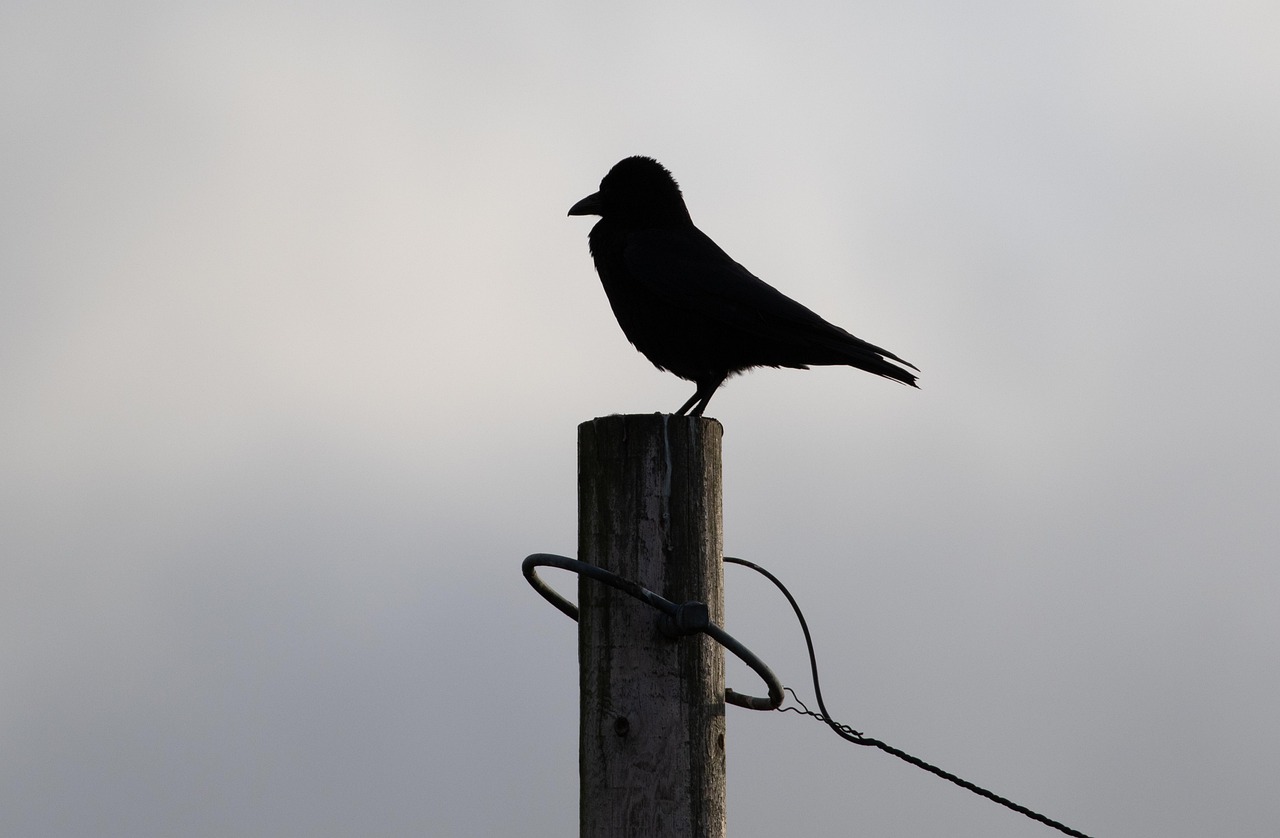
Crows are among the most intelligent birds in the world. They can recognise individual human faces, remember people who have wronged them for years, and pass that knowledge on to their offspring. They use tools, solve puzzles, and hold what appear to be funerals for their dead. In the old stories, crows and ravens are often messengers or guardians — birds that see everything and forget nothing. In some traditions, they are psychopomps, guiding souls from one world to the next. In others, they are tricksters, stealing what shines and hiding it away.
Priya's grandmother had believed something simpler. She had believed that crows listened. She had believed that if you spoke to them — really spoke, with your whole heart — they would carry your words with them, and that someday, someone who needed to hear them would hear them again.
"She used to talk to them every morning," said Mr. Ellery, the neighbour, when Priya asked him about it. "Rain or shine. She'd stand in the orchard with her tea and have a whole conversation. I thought she was lonely. But she said they answered her."
"Did they?"
"I don't know," Mr. Ellery said. "I never learned to listen."
What the Crows Remember
Priya began to spend her mornings in the orchard, just as her grandmother had. She did not know what to say at first. She felt silly, standing there with her tea, talking to a tree full of birds. But she started with small things — the weather, the state of the house, the way the light fell through the branches. And then, gradually, she started to say the things she had never said to her grandmother while she was alive. That she was sorry she had stayed away so long. That she had been afraid of this place, of the memories it held. That she missed her.
The crows listened. They did not answer in words, but they stayed. They stayed through the rain and the wind and the first frosts of winter. They stayed when Priya cried, and they stayed when she laughed. And one morning, as she was talking about her grandmother's hands — how they had always smelled of earth and cinnamon — one of the crows made a sound she had never heard before. It was soft, almost gentle, like a question. Like a name.
Priya did not know what it meant. She did not know if it meant anything at all. But she felt, in that moment, that her grandmother had been right. The crows remembered. They remembered everything. And sometimes, if you were very quiet, and very patient, they let you hear it.