
 A river spirit offers a poor fisherman one perfect catch in exchange for a single feather from the bird he loves most.
The Magpie's Question
Her grandmother taught her the rhyme before she could read. One for sorrow, two for joy. Salute the single magpie. Say good morning to it. Never, ever tell it your secrets, because a magpie will carry them to the wrong person.
She was seven when she started asking why. Her grandmother, who was patient about most things, was not patient about this. Because, she said. Because that is how it is. Because the magpies know things. Because you do not want to be the girl the magpies talk about.
The girl, whose name was Ivy, thought this was the most interesting thing she had ever heard. She began watching the magpies. Not the way her grandmother watched them, quickly, with a small bow of the head, but properly, with her chin on her hands, for hours.
What the Magpies Knew
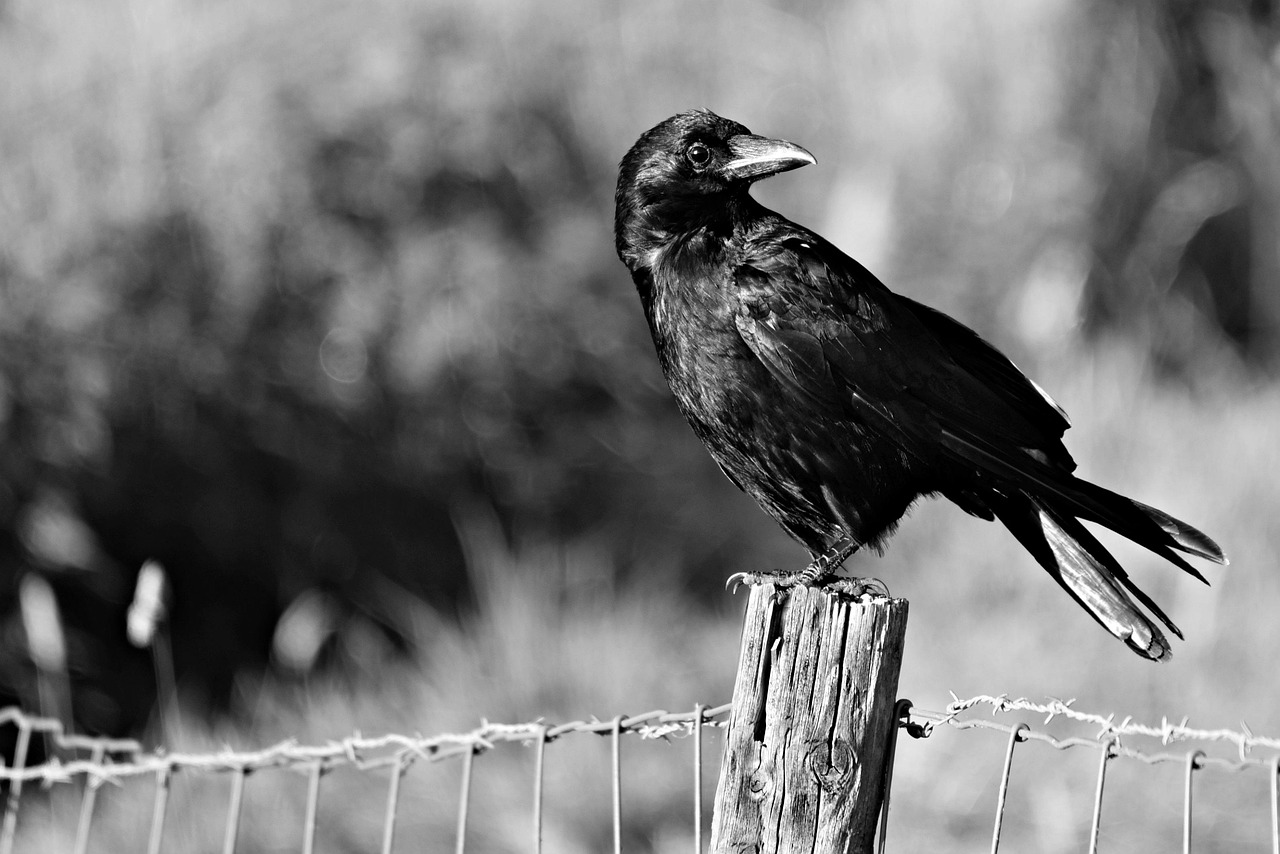
Magpies are not mysterious. That is the first thing she learned. They are loud and curious and interested in everything, and they will investigate a dropped sandwich with the same enthusiasm they bring to a dead rabbit. They steal. They squabble. They hold grudges. They remember faces.
That last one was the thing that stuck. Ivy read about it in a library book, years later, when she was old enough to look things up properly. Magpies recognize individual humans. They can hold a grudge against a specific person for years. They tell each other. A magpie that has been wronged will be avoided by every magpie in the area, and the person who wronged it will walk down the lane and find themselves watched, silently, from every tree.
Her grandmother, it turned out, had been right about the secrets. Not in the way she meant. The magpies did not tell anyone. But they remembered. And they passed it on.
Ivy started keeping a notebook. Not of the magpies themselves, but of the people the magpies avoided. There was a man at the end of the lane who had once shot at them, and there was not a magpie within half a mile of his garden. There was a woman at the post office who fed them scraps, and the magpies followed her down the street like a small noisy retinue. There was a boy at school who had thrown a stone at one, and for three years afterward, every magpie in the village looked at him the way a bank manager looks at a man who has not paid his mortgage.
The Question She Asked
When she was sixteen, Ivy asked her grandmother the real question. Not why do we salute them, but why do we care what they think? They are birds. They do not have opinions about us. They have instincts.
Her grandmother was quiet for a long time. Then she said: I know. But my mother taught me, and her mother taught her, and I think the point was never the magpies. The point was to remember that you are being watched. Not by magpies. By everything. By the neighbors and the hedgerow and the sky. And that the way you behave when you think no one is looking is the way you actually are.
Ivy wrote that down. She still salutes the single magpie. She is not sure she believes in the sorrow, exactly, but she has noticed that the days she forgets are the days she is careless, and that carelessness has its own kind of sorrow, and that the magpies, watching from the fence post, do not miss a thing.
The rhyme is not a superstition, she decided. It is a mirror. One for sorrow, two for joy, and the number does not matter as much as the noticing. The magpies know you are there. The question is whether you know it too.