
 A young tawny owl discovers that the forest has a rhythm, and that listening for it changes everything.
The Heron Who Waited
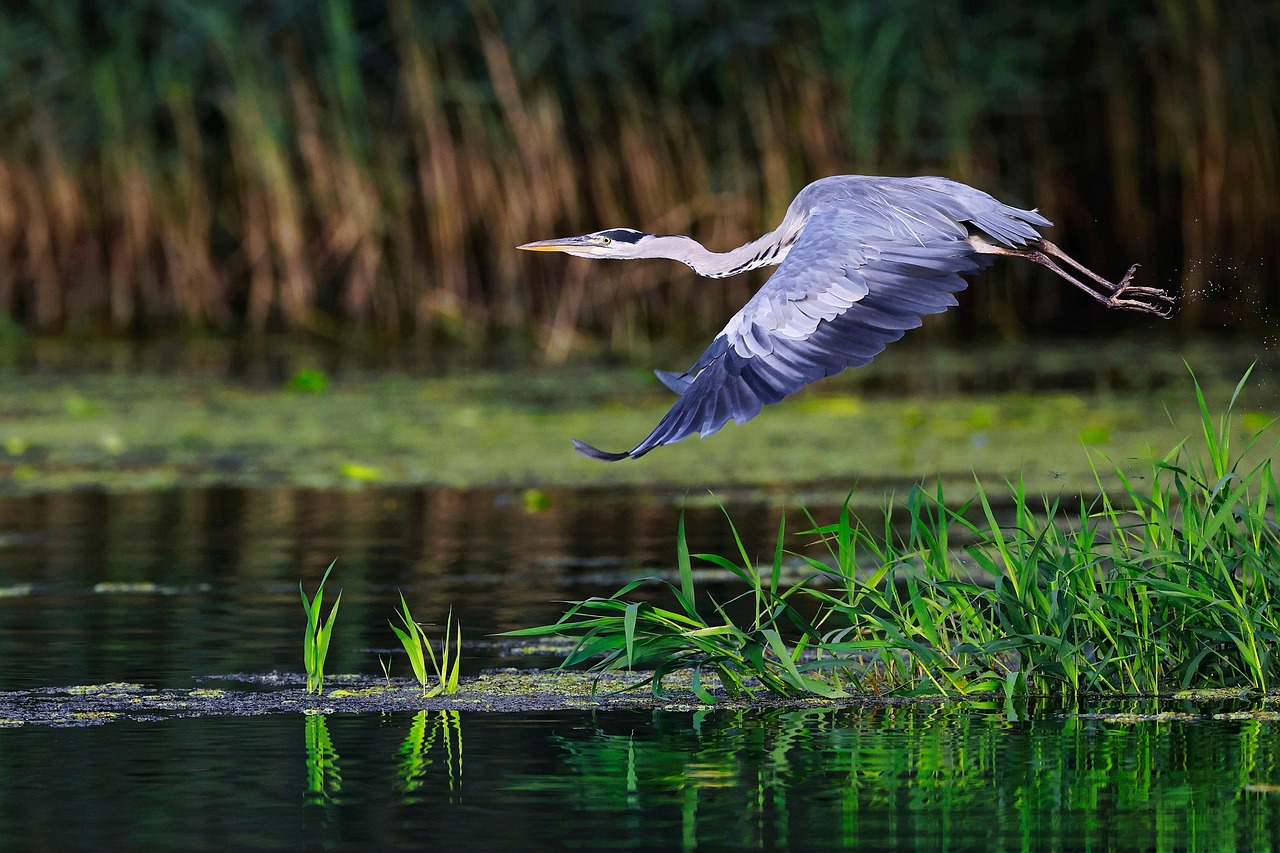
Every morning on his way to school, Tomas passed the same grey heron standing in the shallows of the river like a statue someone had forgotten to take inside. It never moved. It never looked at him. It simply stood, one leg tucked, eyes fixed on the water, as if the entire world were a distraction it had learned to ignore. Tomas, who could not sit still through a single meal, found this deeply insulting.
"What are you waiting for?" he asked it one day, throwing a pebble that landed well short of the bird. The heron did not flinch. "There's nothing there. I've looked."
He had looked, too — every morning for a week, peering into the brown water for the silver flicker of fish. He never saw one. He decided the heron was either very stupid or very stubborn, and he could not decide which was worse.
The Art of Standing Still
His grandfather, who had fished the same river for sixty years, laughed when Tomas told him about the bird. "That heron knows more about this river than you and I put together," he said. "It's not waiting for nothing. It's waiting for the right moment. There's a difference."
Tomas did not understand the difference. Waiting was waiting. You stood there, and nothing happened, and then you got bored and went home. That was how it worked. But his grandfather shook his head and said that a heron could stand in one spot for an hour and see everything that moved beneath the surface — every minnow, every shadow, every shift of current. The bird was not passive. It was reading the water like a book.
"You want everything to happen now," his grandfather said. "The heron knows that now is not a thing you can catch. It's a thing you have to let arrive."
Tomas thought this was the kind of thing old people said to make sitting still feel important. But he started watching the heron more carefully. He noticed that its head would tilt, very slightly, when something moved beneath the surface. He noticed that its neck would coil, just a little, like a spring being wound. And then, once — only once, in all the mornings he watched — it struck. The movement was so fast he almost missed it. One moment the bird was a statue, the next it had a silver fish in its beak, and the water was closing over the place where the fish had been.
What the River Taught Him
Tomas did not become patient overnight. He was still the kind of boy who tapped his foot through dinner and read the last page of a book first. But he started to understand something about the heron that he could not quite put into words. The bird was not waiting because it had nothing better to do. It was waiting because it had chosen to. It had decided that this spot, this moment, this fish, was worth the stillness.
Years later, when Tomas was grown and living in a city far from the river, he would sometimes find himself standing at a window, watching nothing in particular, and he would remember the heron. He would remember the way it stood in the shallows as if the whole world could wait. And he would take a breath, and let the moment arrive on its own time, and feel, for just a second, that he was reading the water like a book.
The heron, as far as anyone knew, is still there. The river has changed course a little. The shallows have shifted. But every morning, some patient creature stands in the water and waits, and somewhere, a restless boy is learning to do the same.